
Dunrobin Castle
This stately home resembles a French château and features extensive gardens overlooking the North Sea. It serves as the historic seat of the Earls and Dukes of Sutherland.
Walk the garden path for a view of the castle exterior.

The 110-mile route from Inverness to John O Groats crosses the northeastern edge of the Scottish Highlands, following the coast through fishing villages, clifftop moorland and empty stretches of the A9 and A99. The journey takes two and a half hours non-stop, but the landscape rewards slower travel. Most visitors plan for three to five hours with stops.
Quick answer
The Inverness to John O Groats route passes Dunrobin Castle, the Whaligoe Steps, Duncansby Head sea stacks, and the famous Land's End signpost. The drive spans 110 miles along the A9 and A99, typically requiring three to five hours when accounting for photo stops and short walks. Free admission applies to most viewpoints; Dunrobin Castle charges separately. Arrive at John O Groats between 07:00 and 10:00 for optimal light and minimal tour-group congestion.
The road north from Inverness climbs away from the Moray Firth through forestry plantations before leveling onto exposed moorland where red deer graze within sight of the asphalt. Traffic thins past Helmsdale. The route is less a procession of set-piece attractions than a study in incremental shifts — the gradual flattening of the terrain, the widening sky, the sense that civilization is contracting to a scatter of crofts and fuel stations. Dunrobin Castle appears first, a turreted French-Gothic pile incongruous against the austere Highland coast. Its formal gardens face the sea. Thirty miles farther, the Whaligoe Steps drop 365 stone treads to a disused herring harbor carved into the cliffs. The descent is steep. The harbor platform, wedged between rock walls, retains its iron mooring rings. From Wick onward the A99 runs flat and straight, flanked by peat bog and the occasional standing stone. Seabirds — fulmars, kittiwakes, razorbills — wheel over the headlands. The inverness to john o groats things to see unfold as a sequence of brief encounters rather than continuous spectacle. John O Groats itself is a cluster of low buildings and a car park, notable mainly for the signpost. The real drama lies a mile and a half east at Duncansby Head, where a short clifftop walk reveals the sea stacks — vertical columns of sandstone detached from the mainland by millennia of wave action. Puffins nest on the ledges in summer. The lighthouse stands at the true northeastern tip of mainland Britain, farther out than the village. Most visitors reverse the drive or loop south via Thurso. The northern coast maintains its character of wide views and sparse settlement. The inverness to john o groats things to see reward patience more than haste — the landscape does not announce itself but accumulates in layered impressions of stone, water and light.
“The northern coast maintains its character of wide views and sparse settlement, where the landscape accumulates in layered impressions of stone, water and light.”
The coastal route from Inverness to John O'Groats offers several historical and geographical landmarks. These sites provide context to the landscape of the far north of Scotland.
This stately home resembles a French château and features extensive gardens overlooking the North Sea. It serves as the historic seat of the Earls and Dukes of Sutherland.
Walk the garden path for a view of the castle exterior.
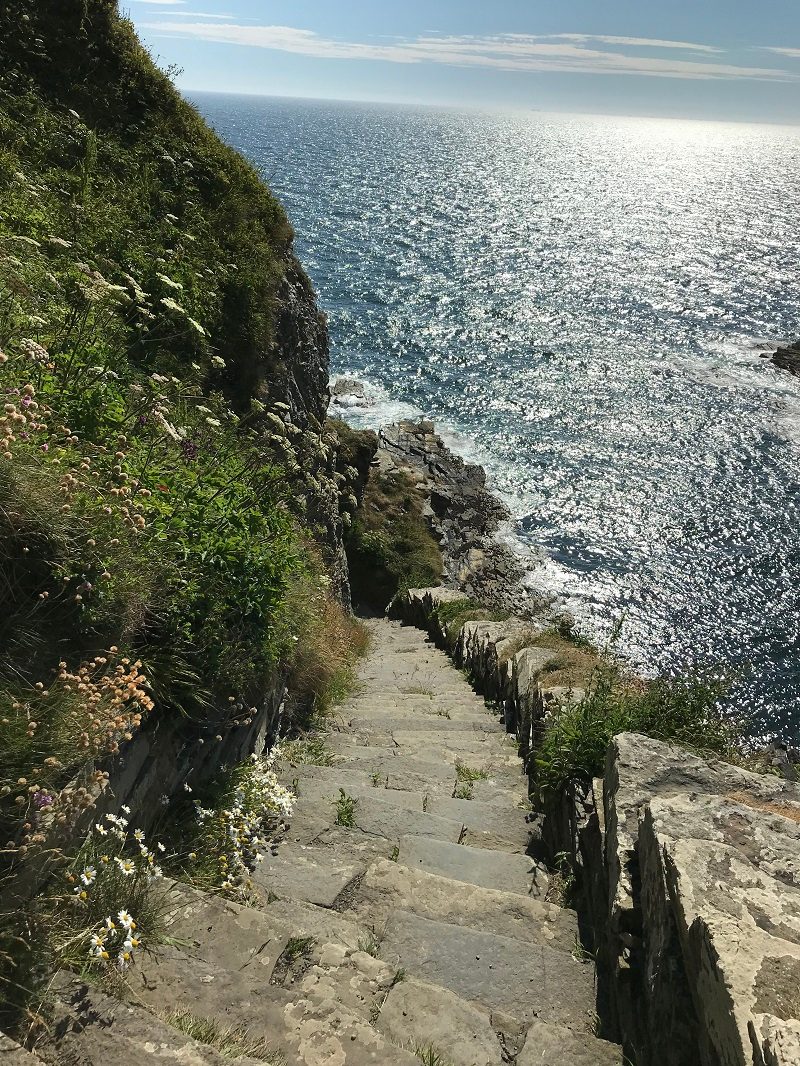
These 330 stone steps descend a cliff face to a secluded 18th-century harbor once used by herring fishermen. The path is narrow and requires sturdy footwear.
Descend only halfway if weather conditions are poor.
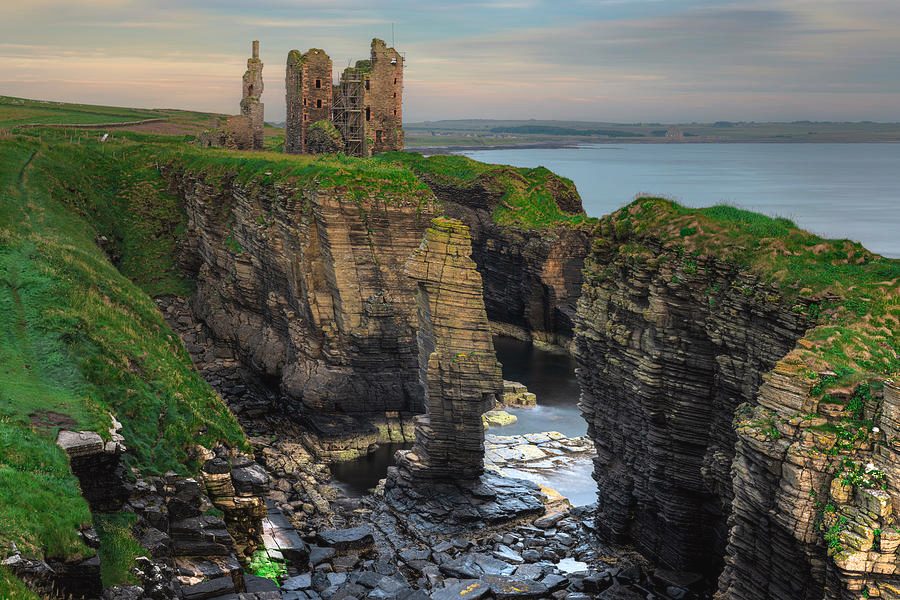
These cliff-top ruins are the remains of a 15th-century stronghold perched on the edge of the Caithness coast. It is one of the few sites in the region with visible medieval masonry.
Observe the structural details from the designated safety barriers.
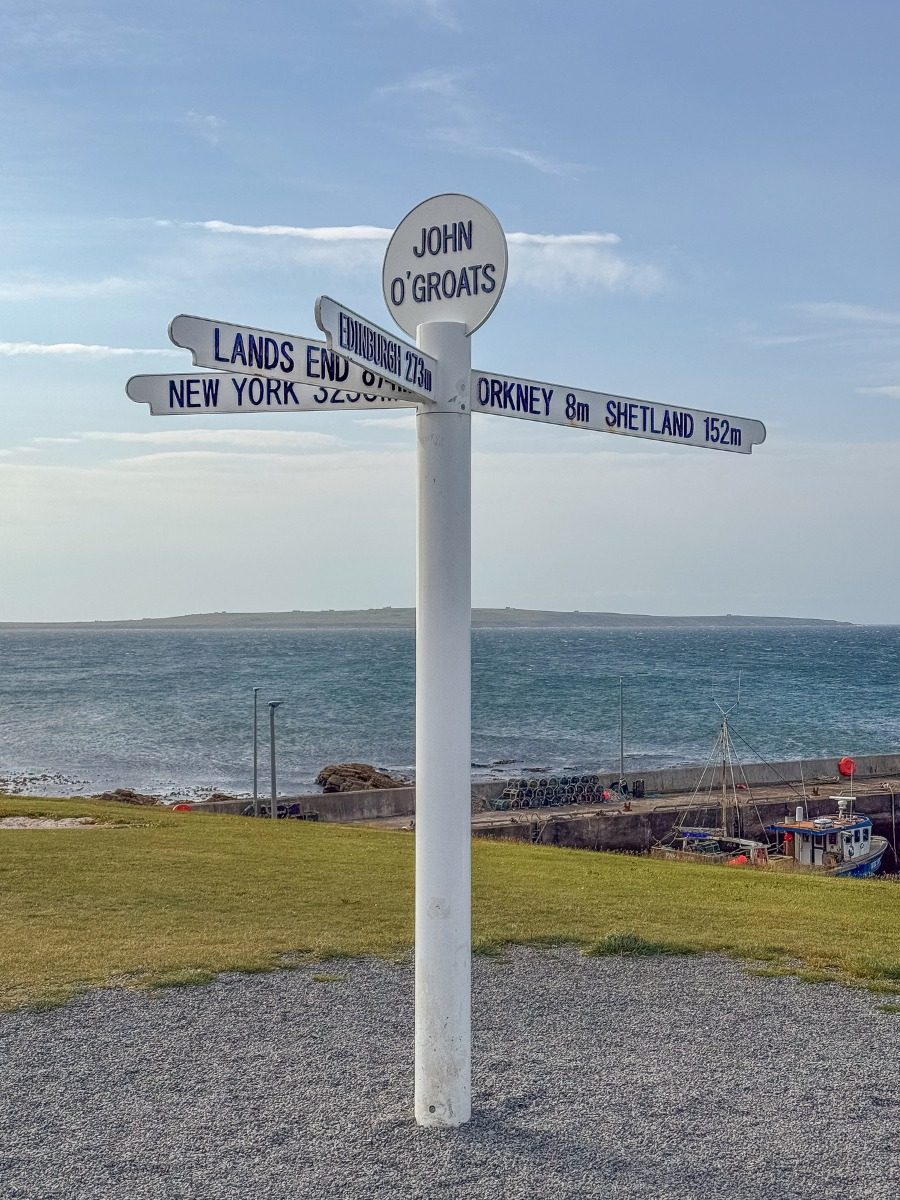
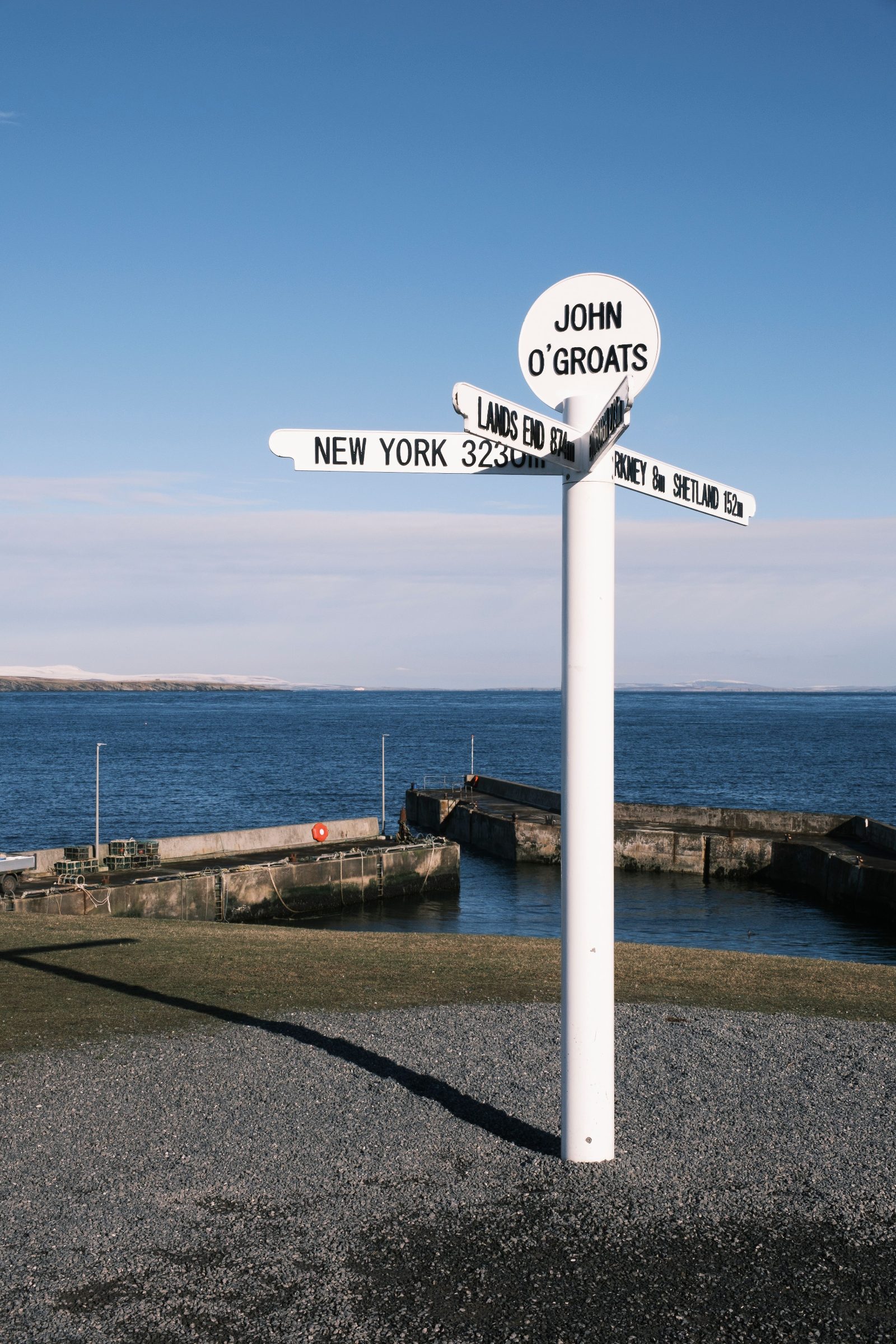
Located at the northernmost point of the British mainland, this landmark serves as a terminus for those traveling the length of the country. It is a focal point for visitors reaching the end of their journey.
Arrive between 07:00–10:00 to avoid crowds at the sign.
This itinerary suits drivers leaving Inverness mid-morning and reaching John O'Groats by late afternoon, with time for coastal stops and lunch. Budget 6–7 hours total, including 3.5 hours of driving and 2–3 hours at stops.
Leave Inverness on the A9, crossing the Cromarty Firth. The first hour rolls through farmland and forest before the coast opens up.
Pull into Dunrobin Castle for a 20-minute exterior view and grounds walk—skip the interior if time is tight. The French-style turrets photograph well from the gardens.
Reach Wick for a 45-minute lunch break at a harbourside café or chippy. The town marks the halfway point and offers fuel, facilities, and a quick leg-stretch along the quay.
Drive 2.5 miles south of John O'Groats to Duncansby Head for the sea stacks and cliff walk—allow 45 minutes. The path is exposed; bring windproof layers.
Arrive at John O'Groats between 15:00–16:00 for the signpost, Last House, and harbour walk. Early afternoon light works for photos, and the site is open around the clock.
If energy permits, loop to Dunnet Head (Britain's true northernmost point, 20 minutes west) before the return drive. Otherwise, begin the 2-hour journey back to Inverness.
The period between May and September offers the best balance of wildlife activity and manageable weather for the journey from Inverness. Arriving during the early window of 07:00–10:00 is recommended to secure parking and enjoy the site before daily coach groups arrive.
10°C to 16°C
Peak season for puffin sightings at nearby cliffs. Long daylight hours provide ample time for coastal exploration.
11°C to 15°C
Seal activity remains high along the coast. The weather stays relatively stable before autumn storms begin.
2°C to 8°C
Best window for potential northern lights visibility. Expect fewer visitors, though wind and rain increase significantly.
—
Arrive between 07:00 and 10:00 to experience the landmark in silence. This timing avoids the influx of midday tour groups.
Verdict: For the optimal experience, plan your visit for May or September, arriving between 07:00 and 10:00 on a weekday to avoid peak crowds.
John O'Groats is located at the northeastern tip of the Scottish Highlands, accessible via the A9 coastal road from Inverness. Travelers may navigate this route by private vehicle or through a combination of rail and bus services.
A9 and A99 via Wick
ScotRail line to Wick Station
Stagecoach X99 from Inverness to Wick/Thurso
The address is John o' Groats, Wick KW1 4YR, United Kingdom. Plan your arrival between 07:00–10:00 to access the site during soft morning photography light and to avoid tour groups.
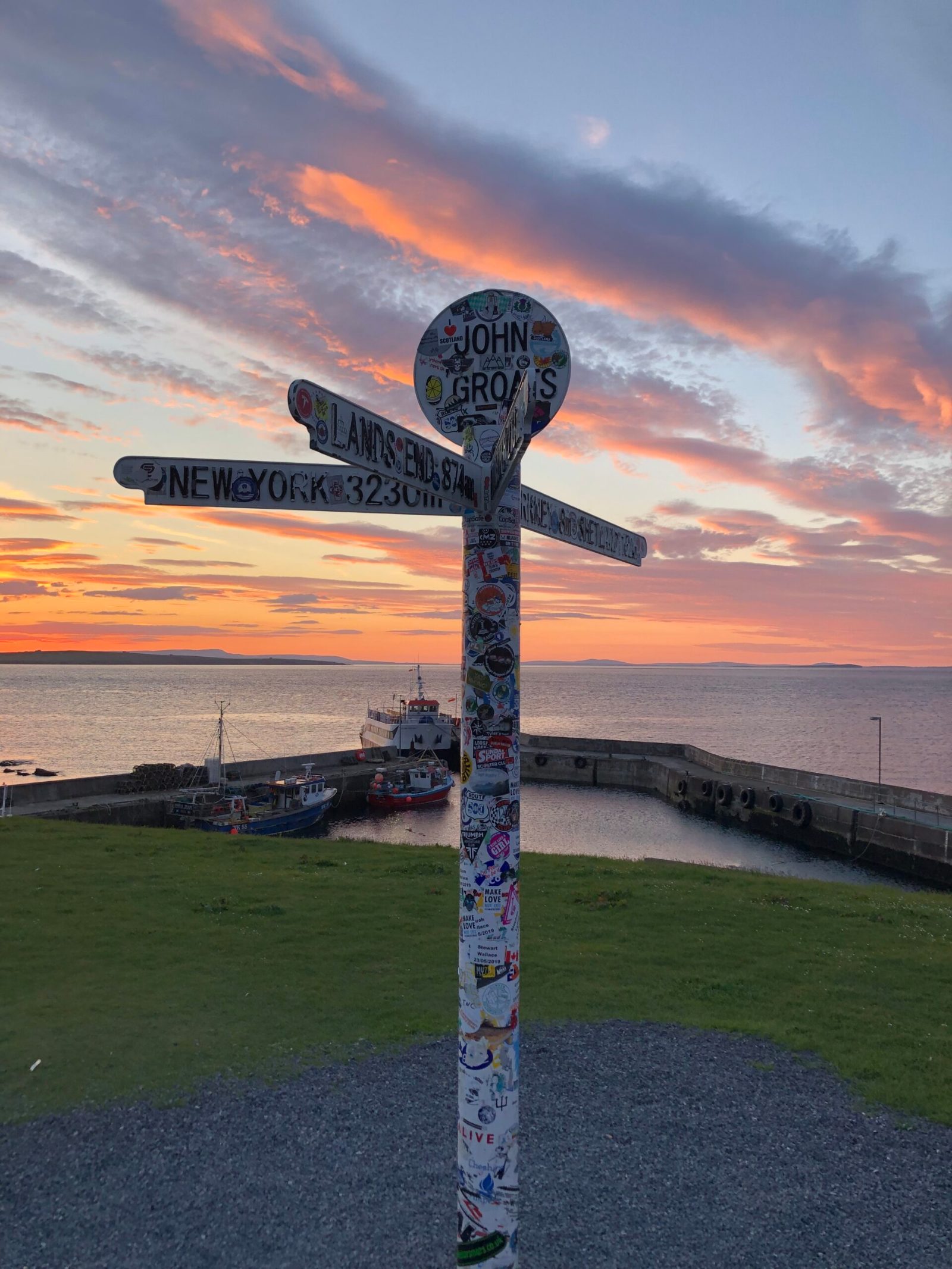
07:00–10:00
Position yourself at the base of the signpost looking towards the sea to capture the iconic milestone marker. Best taken early morning to avoid crowds.
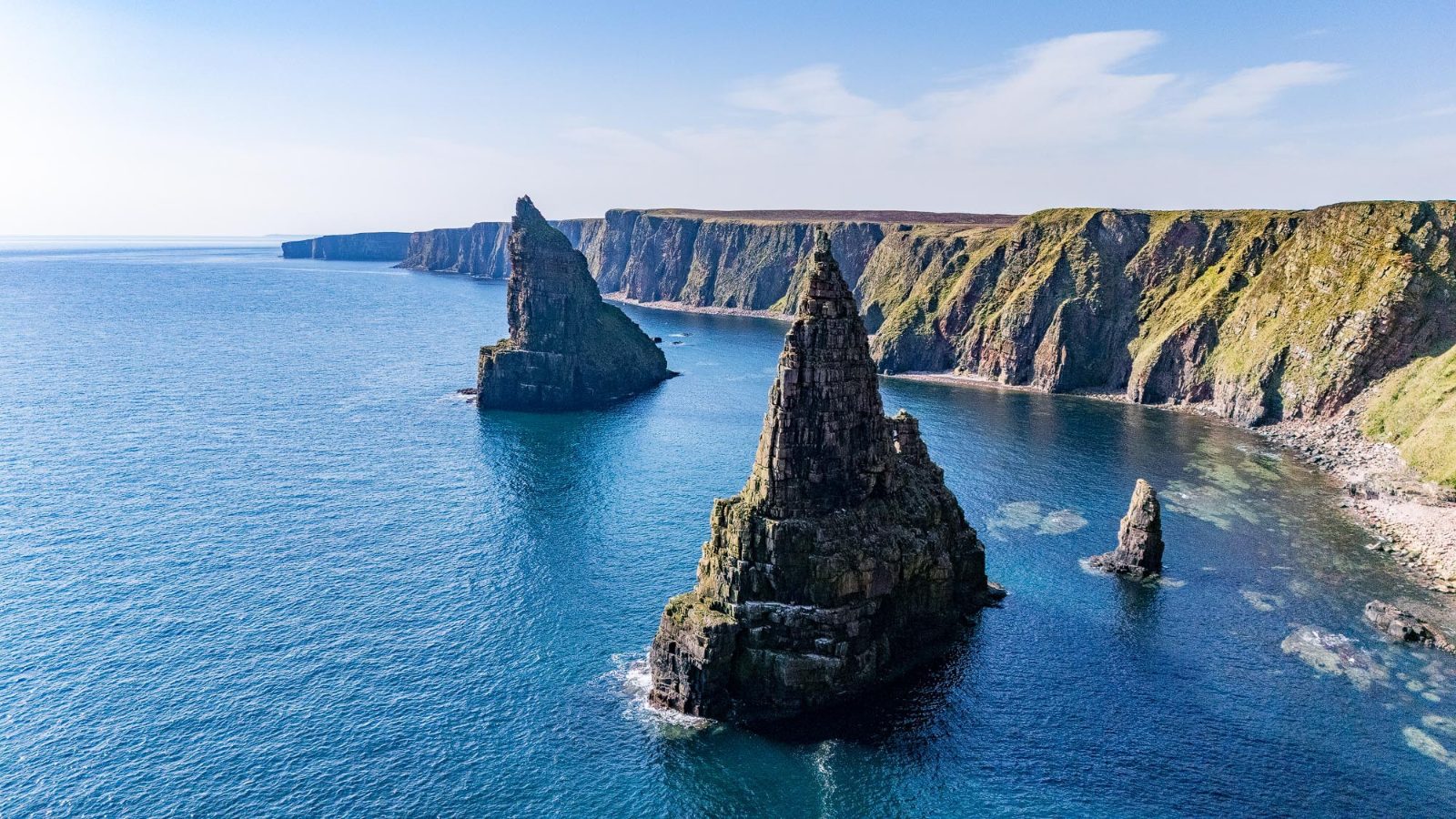
Early morning or golden hour
Walk the coastal path south of the lighthouse to frame the dramatic jagged rock formations rising from the ocean. Use a wide-angle lens to capture the scale of the cliffs.
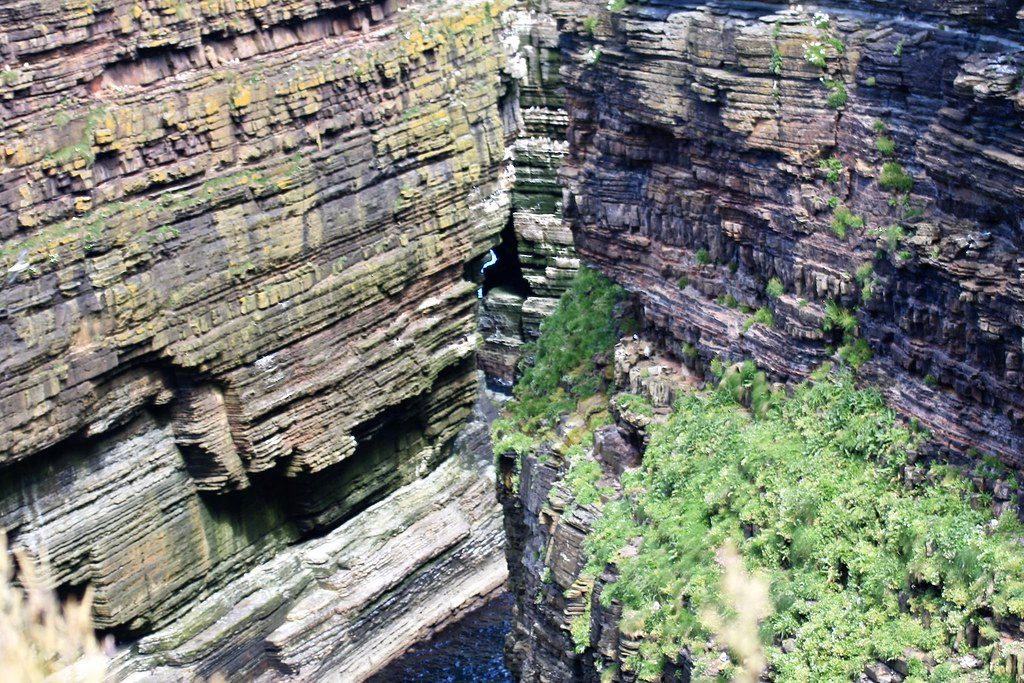
During daylight hours
Locate this narrow sea inlet along the cliff walk to capture the vertical rock walls and crashing waves below. Stay on the marked path for the safest vantage point.
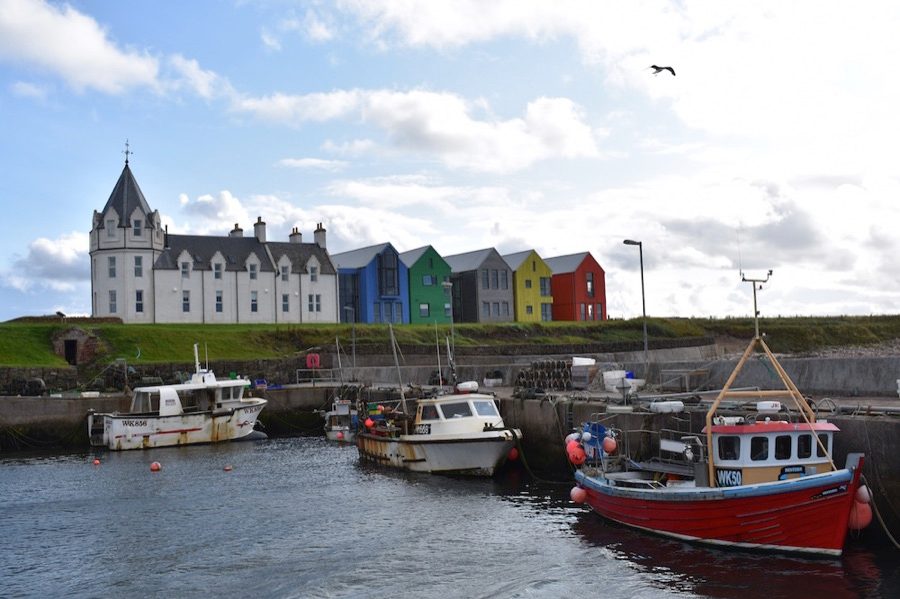
Morning for clear light
Stand on the pier looking back toward the colourful buildings and fishing boats for a composition emphasizing the maritime character of the village.
The area surrounding John o' Groats offers several significant landmarks that provide context to the far north of Scotland. These locations are within short driving distance and complement the coastal landscape of your visit.
15 min drive
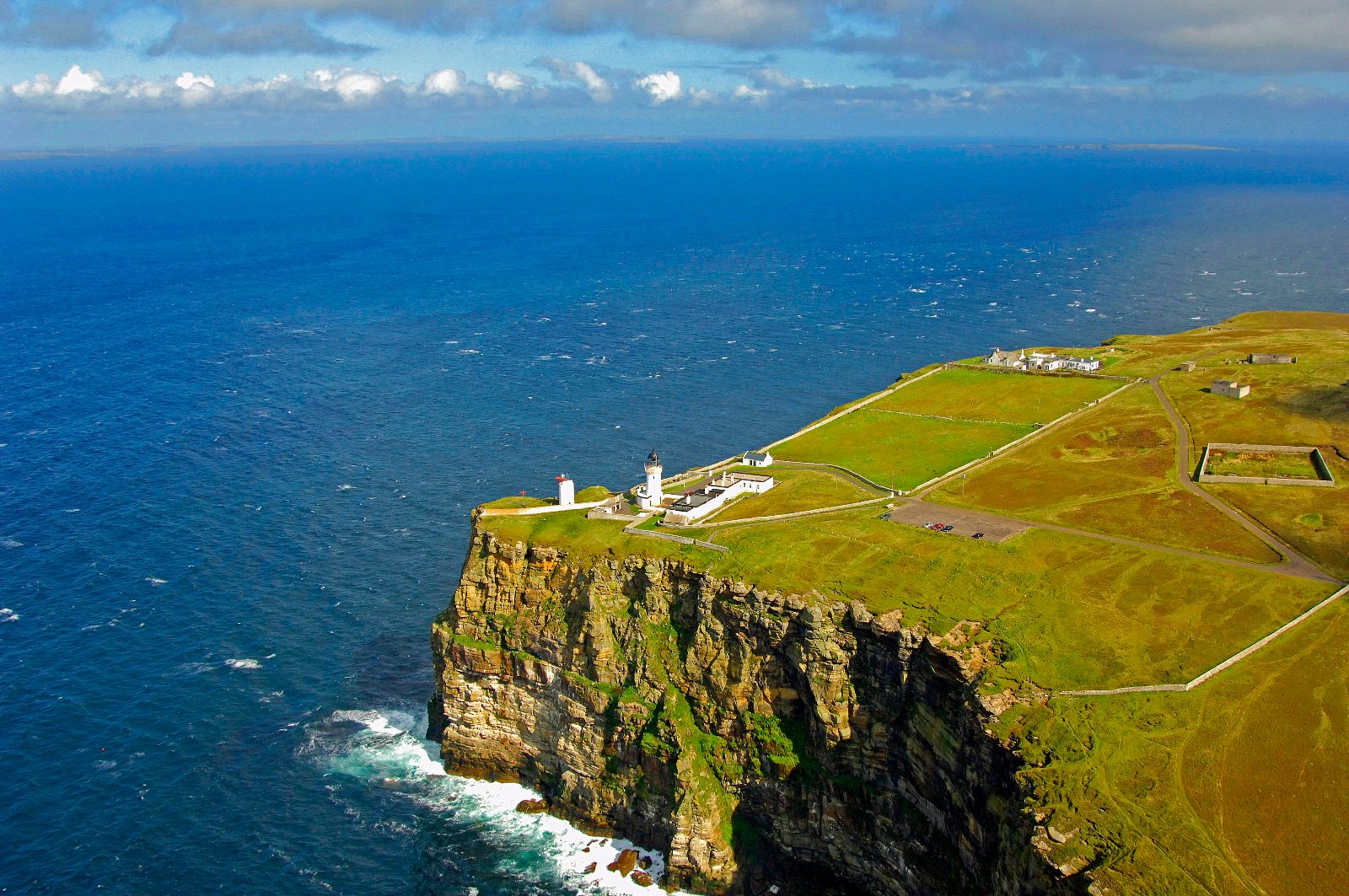
This is the most northerly point of the British mainland, offering expansive views across the Pentland Firth. It provides a quiet alternative to the busier atmosphere at the John o' Groats signpost.
15 min drive
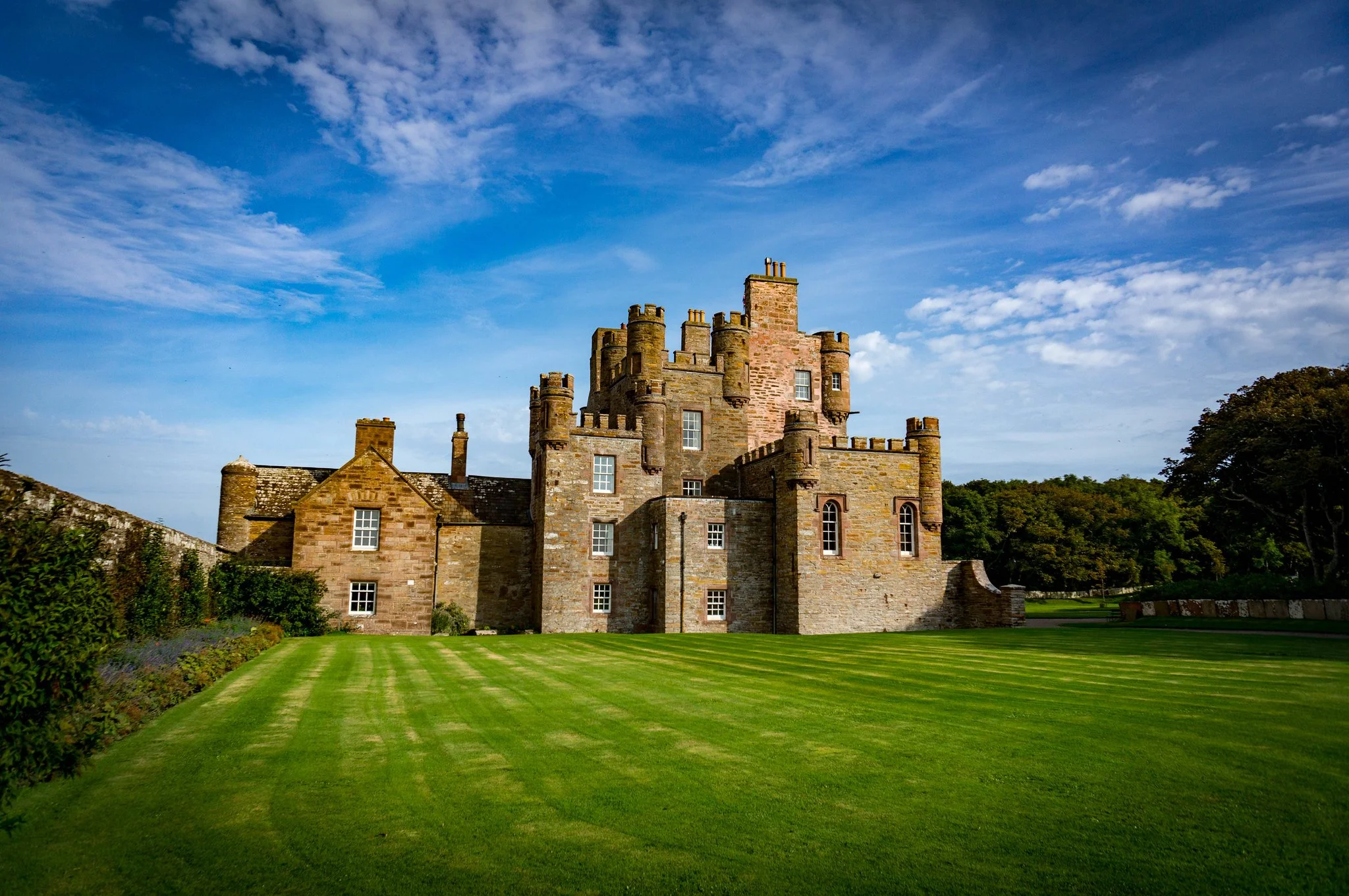
This historic residence was the Queen Mother's holiday home and features extensive gardens. It pairs well with a trip to the coast by offering a view into regional heritage and horticulture.
5 min drive
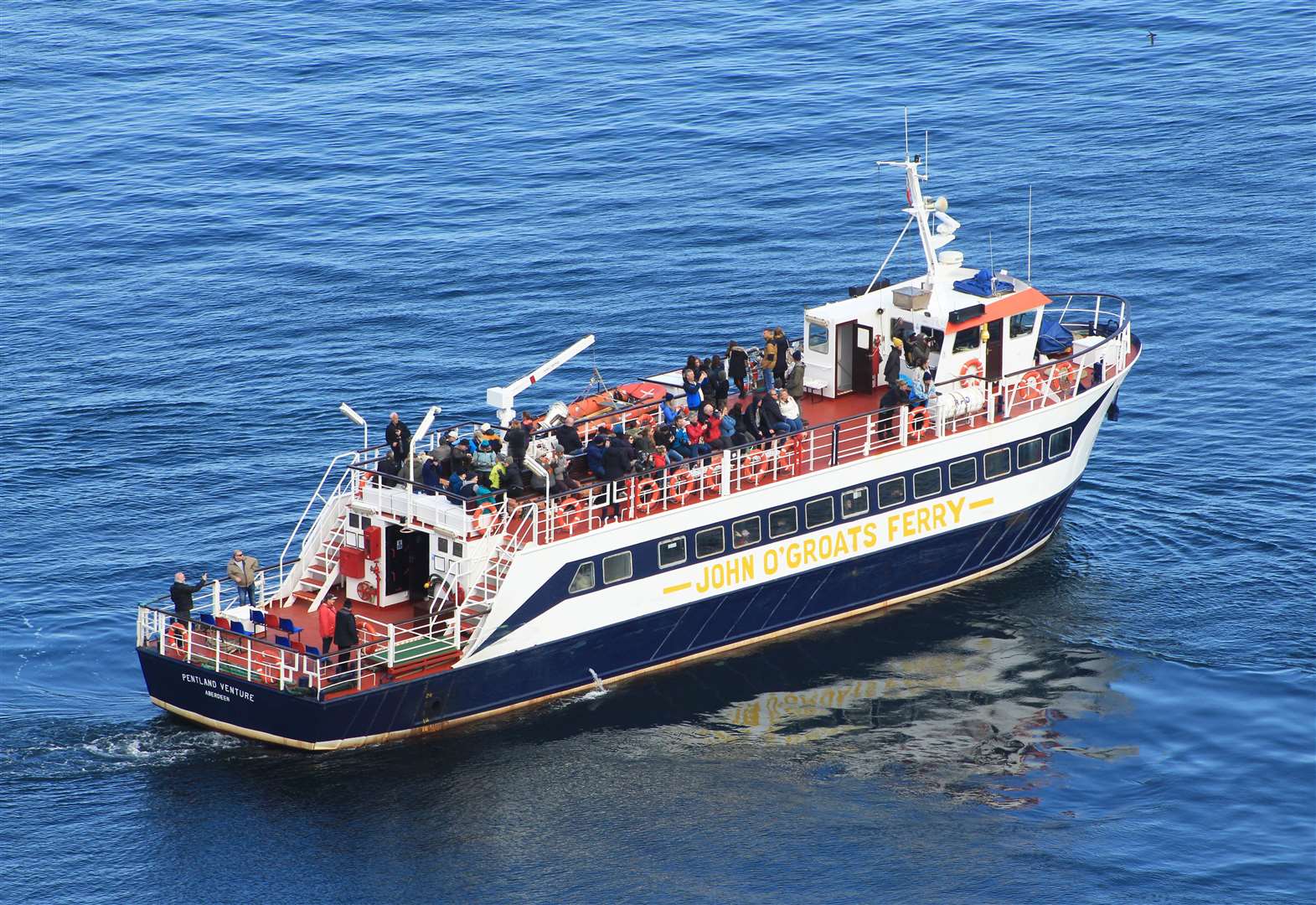
The ferry terminal at Gills Bay or the seasonal passenger service at John o' Groats connects the mainland to the Orkney Islands. It is a logical next step for those wishing to explore Neolithic sites and island culture.
Everything you need to know about inverness to john o groats things to see
When planning your journey, you will find many inverness to john o groats things to see, including the famous signpost, coastal cliffs, and local wildlife. These attractions offer a glimpse into the rugged beauty of the North Coast 500 route.
Entrance to the site is 0 GBP (Free admission) as it is a public coastal landmark. You do not need to purchase a ticket to view the famous signpost or explore the surrounding area.
The site is open 24 hours a day, with opening hours of monday: 00:00–23:59 through sunday: 00:00–23:59. This allows you to plan your inverness to john o groats things to see itinerary according to your own schedule.
We recommend an arrival window of 07:00–10:00. Arriving early provides soft morning light for photography and helps you avoid the larger tour groups that often arrive later in the day.
Yes, the area is accessible for families and offers plenty of space for children to walk near the coast. Many visitors include this stop as part of a wider family excursion looking for inverness to john o groats things to see.
Driving from Inverness typically takes approximately 2.5 to 3 hours depending on your route and stops. Visitors often combine this drive with various landmarks to make the most of their scenic highland adventure.
To reach John O'Groats, most travelers take the A9 road heading north, which is a key part of the popular tourist route. You can find detailed driving directions on our dedicated transport page to help guide your travel plans.