
Dunrobin Castle
This historic home features high conical spires and extensive formal gardens overlooking the Moray Firth. It is one of the oldest continuously inhabited houses in Britain.
View from the garden terrace to see the castle architecture.

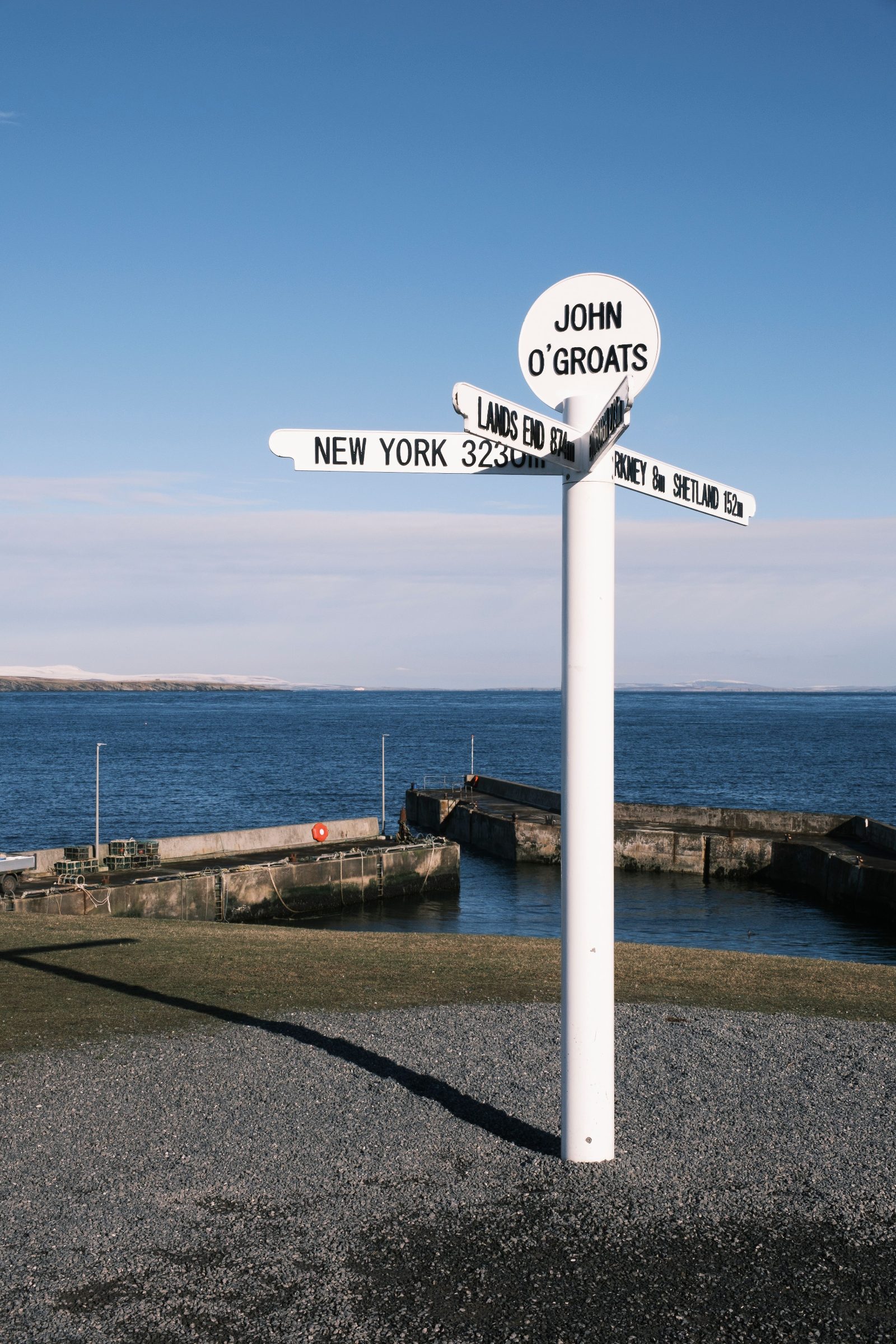
The journey from Inverness to John O'Groats covers 113 miles through Scotland's far north, connecting the Highland capital with mainland Britain's most northeasterly village. This route crosses Caithness moorland and coastal farmland, offering clear logistics for independent travelers and tour participants alike. Understanding your options before departure ensures you arrive during optimal daylight hours.
Quick answer
The journey from Inverness to John O'Groats takes approximately 2 hours 15 minutes by car via the A9 and A99, covering 113 miles through Caithness. Arriving between 08:00 and 16:00 provides optimal daylight for coastal visibility and trail access. The site is open 24/7 with free entry year-round, though services at the village operate on standard business hours.
The A9 carries more than 90 percent of travelers making the Inverness to John O Groats journey, yet the route sees substantial seasonal variation in daylight and weather conditions. Winter months reduce usable daylight to fewer than seven hours, compressing the practical arrival window significantly. The route climbs gradually from sea level at Inverness through Tain and Dornoch before crossing the Sutherland-Caithness boundary near Berriedale. The final 40 miles traverse exposed moorland where wind speeds regularly exceed 30 mph, particularly between October and March. Drivers should account for single-track sections near Dunbeath and potential livestock crossings beyond Wick. The A99 coastal approach offers views across Sinclair's Bay before the final descent into the village. Public transport options remain limited outside peak summer months. Stagecoach operates seasonal services from Inverness through Wick to John O'Groats, though frequency drops to twice daily in winter. Most visitors traveling without private vehicles join organized day tours departing from Inverness, which bundle the journey with stops at Dunrobin Castle and Wick heritage sites. These tours typically allow 45 to 60 minutes at the signpost and coastal viewpoint before returning south. The village itself contains a visitor center, café, and the famous directional signpost showing distances to global cities. The John O'Groats Trail offers coastal walking access, with the cliff-edge path extending west toward Duncansby Head. Parking is free and unmetered, though spaces fill quickly during July and August cruise ship stops at Invergordon. The site remains accessible 24 hours daily, making it feasible for travelers completing the North Coast 500 route or Land's End to John O'Groats challenges to arrive outside standard visiting hours. Weather in Caithness shifts rapidly, and the exposed coastal position means conditions at John O'Groats often differ markedly from those in sheltered Inverness.
“The exposed coastal position means conditions at John O'Groats often differ markedly from those in sheltered Inverness.”
John o' Groats is located at the northeastern tip of the Scottish mainland and is accessible from Inverness via major road, rail, and bus links. The A9 road serves as the primary route for those traveling north by vehicle.
A9 road north via Wick
Stagecoach X99 to Wick, then local 80
ScotRail Inverness to Wick station
John o' Groats Trail
Plan your arrival for the best arrival window of 08:00–16:00 to ensure optimal daylight for coastal visibility. The site is open Monday through Sunday, 00:00–23:59, with free entry of 0 GBP.
The most favorable time to travel from Inverness to John o' Groats is between May and September, when extended daylight hours allow for safer coastal navigation. During this period, aiming for an arrival window of 08:00–16:00 ensures optimal daylight for hiking and scenic coastal visibility.
Mild, 10°C–16°C
Long daylight hours provide the most time for outdoor activities. These months experience lower rainfall compared to autumn.
Warm, 12°C–18°C
Peak tourism brings the most reliable weather. Midges can be present in sheltered areas.
Cool, 8°C–14°C
Crowds decrease while coastal views remain clear. Variable conditions often begin to increase.
Cold, 1°C–6°C
Significant risks include short daylight hours and hazardous road or trail conditions. Many coastal paths become difficult to navigate.
Verdict: The best time to travel is between May and September, consistently arriving between 08:00–16:00 to maximize visibility.
The coastal route from Inverness to John o' Groats features diverse landscapes, ranging from historic estates to dramatic sea cliffs. Planning stops at these specific locations allows travelers to experience the character of the Scottish Highlands.
This historic home features high conical spires and extensive formal gardens overlooking the Moray Firth. It is one of the oldest continuously inhabited houses in Britain.
View from the garden terrace to see the castle architecture.
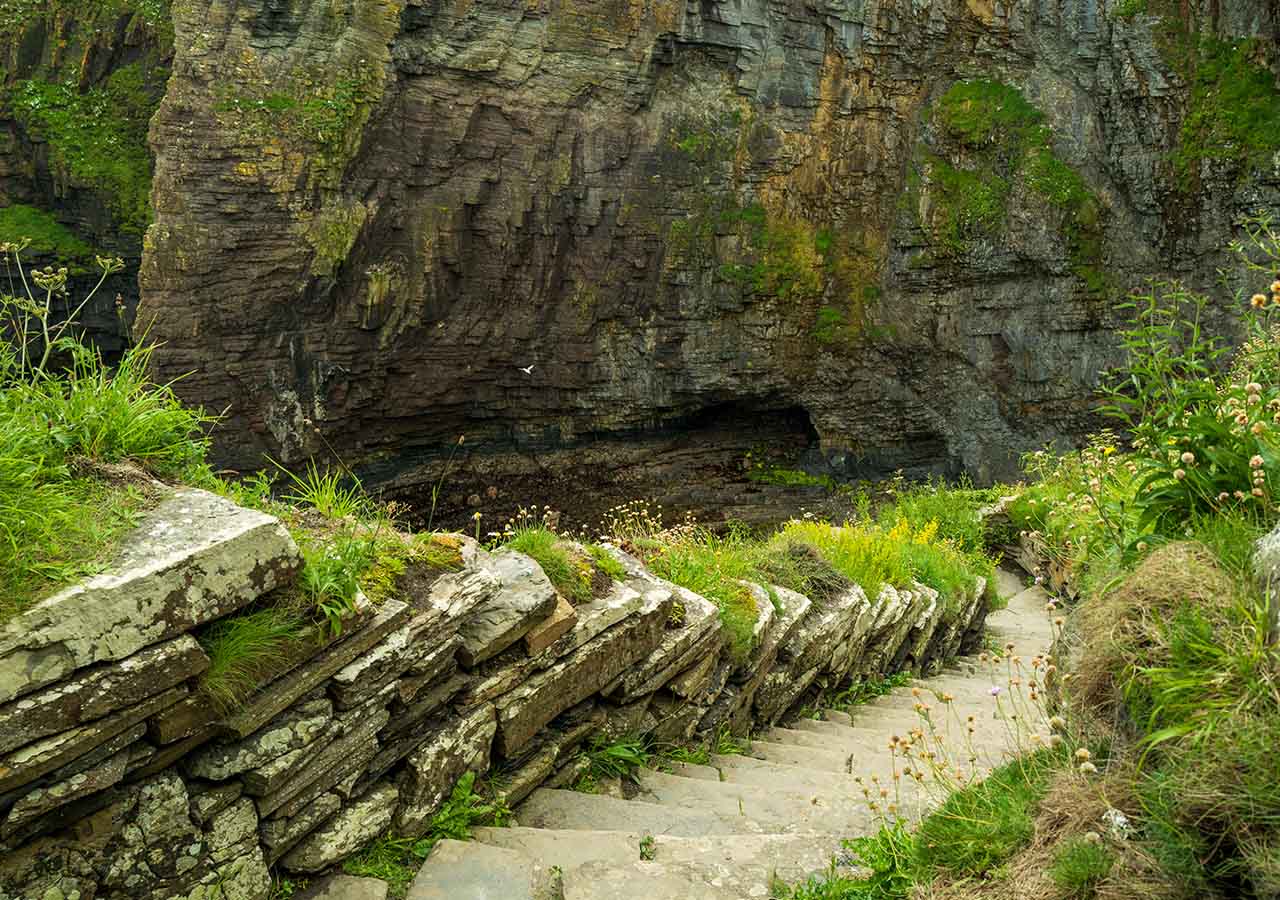
These 330 stone steps descend a steep cliff face to a secluded 18th-century harbor once used by herring boats. The harbor remains sheltered by natural rock formations.
Visit during low tide to see the original harbor wall.
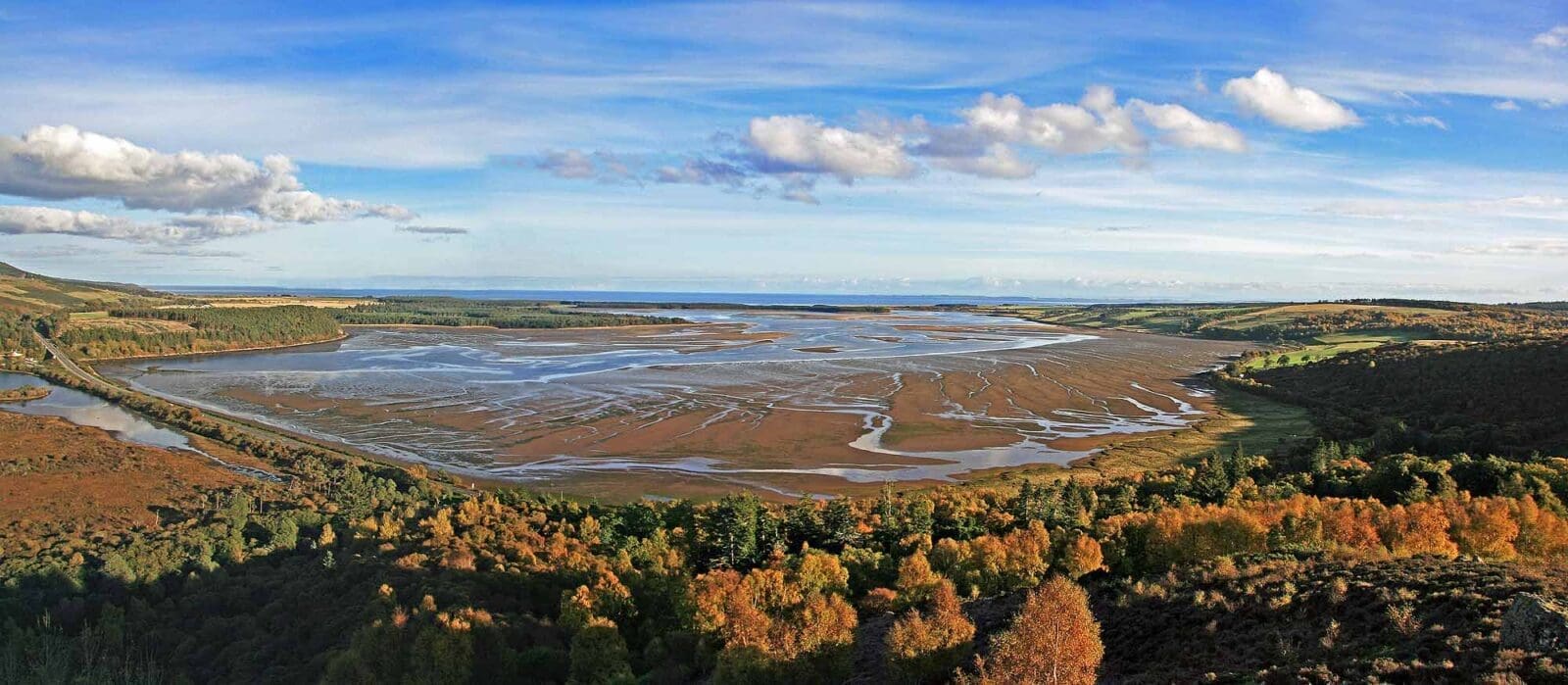
This tidal basin serves as a National Nature Reserve, providing a habitat for seals, otters, and various waterfowl. The area offers wide views across the water toward the Dornoch Bridge.
Walk the woodland trails to spot seals on sandbanks.
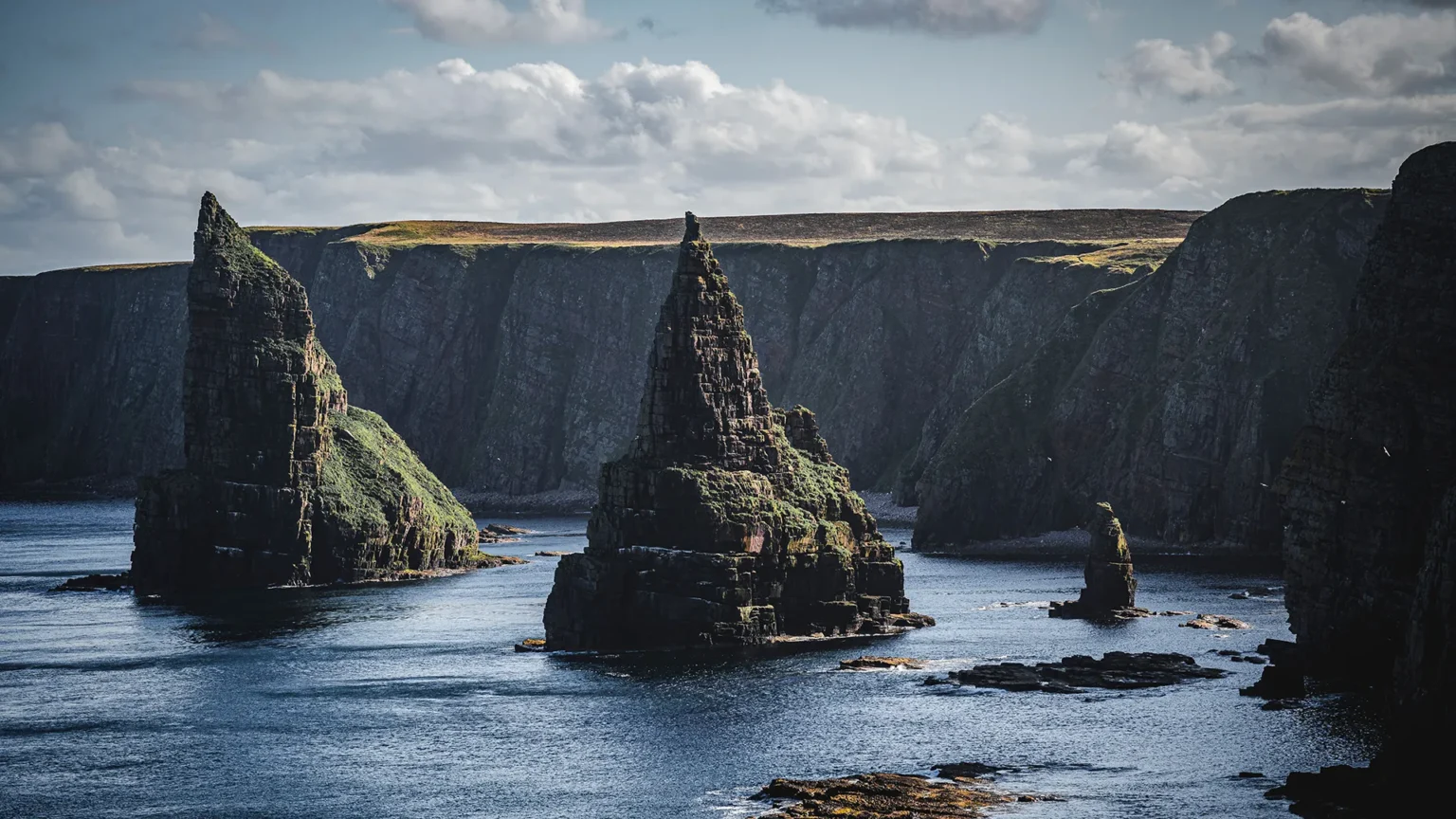
Located near the northernmost tip of the UK, this site features sharp sea stacks rising from the North Sea. The area is marked by a lighthouse and rugged cliff paths.
Walk the path south to view the Stacks of Duncansby.
The route from Inverness to John o' Groats catches out many first-time visitors with planning assumptions that don't match reality. These errors turn straightforward journeys into multi-hour delays or missed connections.
Assuming John o' Groats has a railway station
John o' Groats has no train station. The nearest railhead is Wick or Thurso; from either you'll need a bus connection or taxi to complete the final 17–20 miles to the village itself.
Not checking reduced winter bus frequencies in advance
Bus services to John o' Groats drop to skeleton timetables between November and March, with some routes running only twice daily. Verify current schedules on Stagecoach before travelling to avoid being stranded.
Booking ScotRail tickets without reserving bike spaces
ScotRail's Far North Line has limited cycle capacity and bikes require a free mandatory reservation. If you plan to cycle onward from Thurso or Wick, reserve your bike space when you book the train ticket—walk-up bike boarding is often refused.
Arriving after 16:00 and missing optimal daylight
Coastal visibility and trail conditions deteriorate quickly after 16:00, especially in shoulder seasons. Plan to reach John o' Groats between 08:00 and 16:00 for safe exploration of the headland and signpost area.
Underestimating total journey time from Inverness
The full journey—whether by train to Thurso then bus, or direct coach—takes 3.5 to 4.5 hours minimum, not including connection waits. Budget at least five hours door-to-door to avoid cutting your visit short or missing return transport.
Follow these practical guidelines to navigate the route from Inverness to John O'Groats effectively.
Use specialized bike transport services if you are cycling the route, as public transport options can be limited for fully-loaded bicycles. These services help move gear or bikes between points along the coast.
Pack high-DEET insect repellent or a midge net, especially if traveling during summer months. These small flies are common near water and can be persistent during low-wind conditions.
Carry physical Ordnance Survey maps for the northern sections, as cellular signal is frequently unreliable along remote coastal stretches. Relying solely on mobile applications can leave you without navigation when you need it most.
Wear moisture-wicking base layers and a windproof outer shell, regardless of the forecast. Coastal weather changes rapidly, and wind chill significantly alters the temperature, even on clear days.
Fill your water reservoirs in larger towns like Wick or Inverness, as public tap access is limited in smaller, isolated villages. Always carry enough high-energy snacks, as local shops may operate on reduced hours.
Everything you need to know about inverness to john o groats
The drive from inverness to john o groats typically takes approximately 2.5 to 3 hours depending on your chosen route and traffic conditions. This journey takes you through the scenic North Coast 500 route, offering views of the rugged coastline.
There is no entrance fee for the John O'Groats area as it is a public destination. Entry is 0 GBP for all visitors.
The best arrival window for your inverness to john o groats trip is between 08:00 and 16:00. Arriving during this period ensures you have optimal daylight for exploring the local trails and enjoying visibility across the Pentland Firth.
The John O'Groats Trail is accessible 24 hours a day. The site is open monday through sunday from 00:00–23:59 to accommodate travelers arriving at different times.
Visitors typically reach the destination by car or bus traveling north from Inverness. You can explore various transport options in our dedicated transit section to plan your specific arrival logistics.
Before starting your inverness to john o groats adventure, ensure you have checked local weather forecasts and daylight hours. Preparing your itinerary in advance helps you make the most of your time at this iconic northern landmark.