English| EUR
Suggested for you
More currencies
Choose a language
No direct train runs to John O'Groats, but ScotRail's Far North Line connects Inverness to Thurso and Wick—the closest stations to the famous signpost. From there, a short bus or taxi ride completes the journey to Britain's northeastern corner.
Quick answer
The Inverness to John O Groats train journey requires a rail connection to Thurso (approximately 4 hours) followed by a 20-mile onward transfer. ScotRail operates the Far North Line service from Inverness Railway Station on Academy Street, with departures throughout the day Monday to Sunday. The station itself is open from 06:30 to 20:30 on weekdays, with reduced hours on weekends, and entry is free—passengers pay only for their rail tickets.
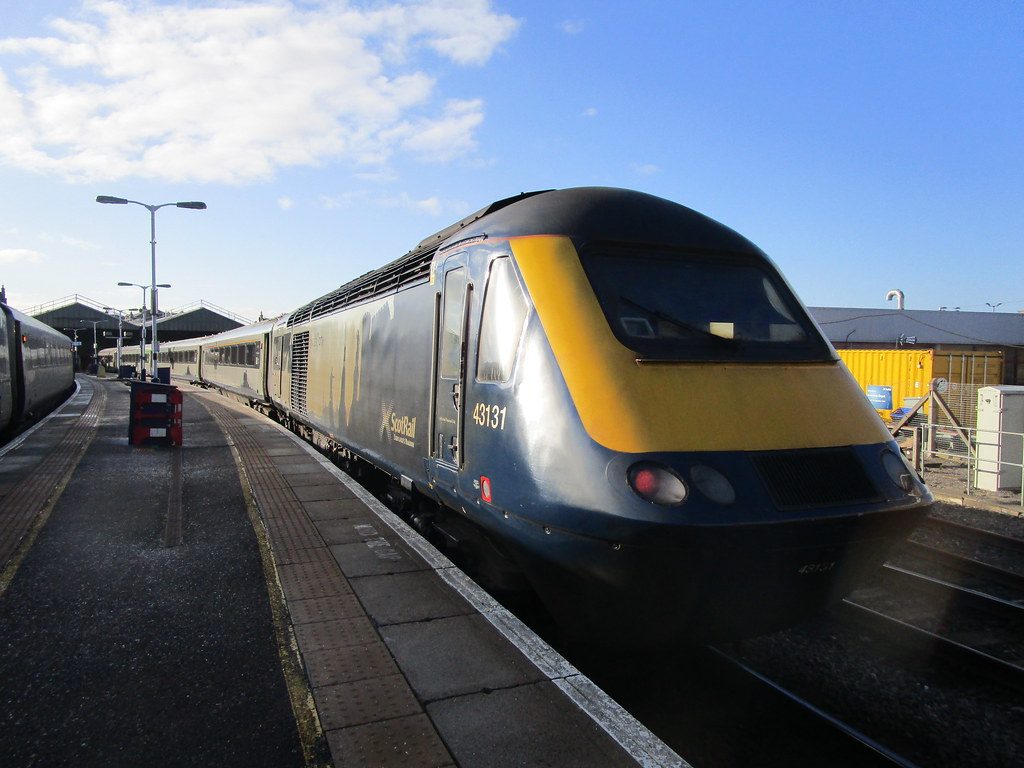
The Far North Line ranks among Britain's most scenic railway routes, yet it ends seventeen miles short of the country's most famous endpoint. John O'Groats has never had a railway station—the line was extended to Wick and Thurso in the 1870s, but the coastal hamlet remained beyond the network's reach. Passengers departing Inverness face a journey that unfolds in two distinct phases. The first is a slow, winding rail passage through Sutherland and Caithness, where single-track sections and passing loops govern the rhythm of travel. Trains pause at remote platforms—Rogart, Kinbrace, Forsinard—where few passengers board and the landscape dominates. The second phase begins at Thurso or Wick, where the railway infrastructure gives way to road transport. The lack of a direct rail link has shaped how visitors approach John O'Groats. Most travelers book the Stagecoach X99 bus service from Thurso, which runs several times daily during summer months and connects with arriving trains. Others arrange private taxis, particularly when traveling in groups or carrying bicycles after completing the Land's End to John O'Groats route. The coordination required between rail and road modes adds a layer of planning that purely urban journeys seldom demand. ScotRail publishes its Far North Line timetable months in advance, but the schedule compresses significantly outside peak season. Winter services often reduce to three or four trains per day, and the final departure from Inverness typically leaves by early afternoon. The station at Academy Street serves as the sole departure point—smaller Highland stations do not offer through services to the far north without a change at Inverness. Passengers checking departure boards will find the Thurso and Wick services grouped together until the line splits at Georgemas Junction, sixty miles before journey's end.
“The Far North Line ends seventeen miles short of the country's most famous endpoint—John O'Groats has never had a railway station.”
There is no direct train line to John O'Groats, as the railway network does not extend to the furthest point of the British mainland. The standard approach involves taking the Far North Line train from Inverness to either Thurso or Wick, followed by a connecting local bus or taxi to reach your final destination.
Far North Line from Inverness Railway Station to Thurso or Wick
Local bus service from Thurso or Wick to John O'Groats
Taxi transfer from Thurso or Wick train station to John O'Groats
To ensure a more comfortable travel experience, plan your arrival at Inverness Railway Station, located at Academy Street, Inverness, Highland, IV2 3PY, within the 09:30–12:00 window to avoid the morning commuter rush.
The journey from Inverness to John O'Groats requires a train to Thurso or Wick followed by a connecting bus or taxi. The entire trip takes approximately 4-5 hours including the transfer.
Arrive at Inverness Railway Station on Academy Street with your ticket ready—trains depart from platforms 5-7, and the Far North Line services run multiple times daily. Check the departure board for your specific platform assignment.
Settle in for the 3.5-4 hour scenic journey north through the Highlands—the train stops at multiple stations before reaching Thurso (closest to John O'Groats) or Wick. Thurso is the recommended station as it shortens your onward journey.
Exit at Thurso station and head to the bus stop directly outside the station building—many travelers mistakenly wait inside, but the bus departs from the street-level stop. Check current bus times in advance as services are limited.
Board the local bus service to John O'Groats, which takes approximately 40-50 minutes and runs several times daily. Alternatively, pre-book a taxi from outside Thurso station if traveling outside bus operating hours or with heavy luggage.
Entry to Inverness Railway Station is free of charge. Ticket prices for the rail portion of the journey to Wick or Thurso vary based on fare type and booking time.
Verdict: A typical adult pays a variable fare for the train to the north, with the final total cost depending on the additional bus transfer to John O'Groats.
Inverness Railway Station operates throughout the week to support travel toward the north. Please note that service availability is more limited on Sundays.
The best arrival window is 09:30–12:00, which allows travelers to avoid the morning commuter rush hours for a more comfortable journey. Planning your trip outside of peak weekday travel times ensures a more relaxed experience when departing from Inverness.
—
Avoid these hours for better seating availability and a quieter atmosphere at the station.
Mild to warm; 12°C to 18°C
Longer daylight hours provide more time for onward connections, though services are busier.
Cool; 7°C to 14°C
These shoulder months offer a balance of manageable crowds and stable daylight for regional travel.
—
Be aware that Sunday timetables are more limited and operate on shorter hours, starting at 09:15.
Verdict: For the most consistent experience, aim for a mid-week departure between 09:30 and 12:00 during the months of May or September.
Navigating the Far North Line requires careful coordination between rail services and local onward transport.
The Far North Line has limited space for cycles, so book your bike slot in advance through the official ScotRail website to ensure boarding.
When planning your journey, allow at least 60 minutes for connections in Thurso or Wick to account for potential regional service delays.
Trains do not reach John O'Groats directly, so verify Stagecoach North Scotland bus timetables in advance to sync your arrival at Wick or Thurso station.
To view the coastal scenery on the Far North Line, choose a seat on the right side when traveling north from Inverness.
Check the official ScotRail website for service updates or engineering works before departing, as regional lines are subject to seasonal schedule variations.
Everything you need to know about inverness to john o groats train
There is no direct inverness to john o groats train connection, as the railway network does not extend to the village of John O'Groats. Passengers must travel by rail to a nearby station and complete the trip using local road transport.
To reach John O'Groats, travelers typically take the train from Inverness to Wick or Thurso. From these towns, local bus services or pre-arranged transport provide the final leg of the journey to the coastal landmark.
Inverness Railway Station acts as the primary hub for those planning an inverness to john o groats train route. You will find the station located on Academy Street in the heart of the city.
The station operates from 06:30 to 20:30 Monday through Friday, 06:30 to 18:30 on Saturday, and 09:15 to 20:20 on Sunday. These hours cover the standard daily schedule for rail services departing from the Highland capital.
There is 0 GBP entrance fee to the station itself, meaning entry to the facility is free. Please note that individual rail ticket prices will vary based on your final destination and chosen fare class.
We recommend an arrival window of 09:30–12:00 for your departure from Inverness. This timeframe helps you avoid the busiest morning commuter rush for a more comfortable travel experience.
While the rail network provides a scenic link to the far north, many visitors combine the train with car hire or local buses to reach the John O'Groats terminus. This hybrid approach is common for those exploring the rugged beauty of the Caithness coastline.